As educators, it can often be overwhelming to come to terms with the idea of teaching technology to our students. Is it too hard? Is this too advanced? Will I have enough time? All of these are questions that I ponder when attempting to implement technology into the modern classroom. We live in a technologically driven world; therefore, we must prepare our students for jobs in the future. To do this successfully, we must have student buy- in.
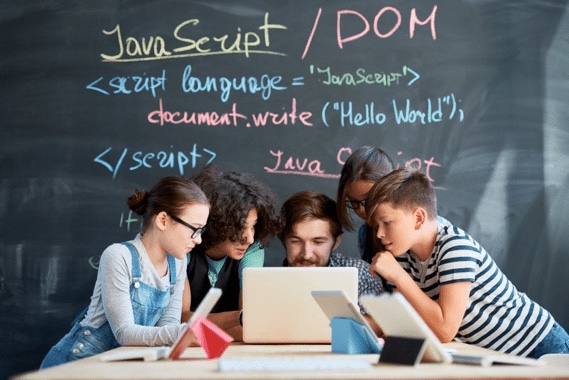
Student buy- in is an incredibly important part to successfully teaching coding in modern classrooms. However, just like when attempting anything new, it can come with nerves and anxieties. According to Brookhouser Megnin’s book, Code in Every Class, “Whether they are total code beginners or amateur hackers, all students feel some performance anxiety” (2016, pg. 62). Coding is a new and scary challenge for most students. As previously stated, fear and anxiety are common feelings when approaching something new that you are unfamiliar with. We as human beings naturally don’t want to put ourselves into situations where we may be embarrassed or look foolish while attempting something new. However, according to Brookhouser and Megnin (2016), when you begin teaching coding, it should be done without using “an actual computer” and to introduce it in a ” familiar context” or even in a “playful way”(pg. 57). This allows the student to relax and enjoy their new acquired skill.

As teachers, we must step out of our comfort zones and teach students the skills needed to thrive in the 21st century world. In my case, teaching coding is a step towards helping my students in this technology age. There are so many ways to spark student’s interest in coding: Coding opens the door for questioning, finding answers to questions through problem solving, and learning how things work.
Listed below are some free coding websites that you could use in your classroom for any grade level:
https://www.playcodemonkey.com/
References
Brookhouser, K., & Megnin, R. (2017). Code in Every Class. Irvine, CA: EdTech Team Press.

 Taking on Technology with Mrs. Harrison
I absolutely agree that can be challenging to include coding in the classroom. Brookhouser and Megnin (2016) state that “”at some point, all students will need one-on-one technical or emotional attention and support” (p.61). However, the world is moving to more technology centered career paths and as educators it is our job to help teach students skills in order to be prepared for their future. I agree that if educators want to prepare students for a 21st century world we need to include technology and coding in the classroom.
LikeLike
I can relate to the feelings of performance anxiety students students might feel when beginning to learn to code as I feel pressure to be great when I first start something new. However, if we can get the students excited about the activity and model a failure (oh goodness! Teach make mistakes too??) we can convey to them that failure and perseverance is just part of learning and will always be a part of coding. As Brookhouser and Megnin (2016) revealed “programs almost always fail to run the way our kids planned because computers can’t read intentions! They follow instructions exactly, and humans almost never enter a perfect set of instructions on the first try” (p. 65).
LikeLike
As non-digital natives, yes teachers should step out of their comfort zones to help students problem solve, I completely agree. Too many students have never been shown how to take control of computers and other digital devices. They’re stuck as consumers when they should be learning how to use tech tools to be creators and problem-solvers (Brookhouser & Megnin, 2016).
LikeLike
Brookhouser & Megnin (2016) stated, “A model of curiosity, lifelong learning, and exploring together-showing them not knowing it all is okay. This can add a tremendous energy to a lesson!” This made me think about your blog and how teaching coding can seem tough. Especially if you are like me and still learning, too. I definitely need to step out of MY comfort zone!
LikeLike