Coding in the Modern Classroom

As educators, it can often be overwhelming to come to terms with the idea of teaching technology to our students. Is it too hard? Is this too advanced? Will I have enough time? All of these are questions that I ponder when attempting to implement technology into the modern classroom. We live in a technologically driven world; therefore, we must prepare our students for jobs in the future. To do this successfully, we must have student buy- in.

Student buy- in is an incredibly important part to successfully teaching coding in modern classrooms. However, just like when attempting anything new, it can come with nerves and anxieties. According to Brookhouser Megnin’s book, Code in Every Class, “Whether they are total code beginners or amateur hackers, all students feel some performance anxiety” (2016, pg. 62). Coding is a new and scary challenge for most students. As previously stated, fear and anxiety are common feelings when approaching something new that you are unfamiliar with. We as human beings naturally don’t want to put ourselves into situations where we may be embarrassed or look foolish while attempting something new. However, according to Brookhouser and Megnin (2016), when you begin teaching coding, it should be done without using “an actual computer” and to introduce it in a ” familiar context” or even in a “playful way”(pg. 57). This allows the student to relax and enjoy their new acquired skill.

As teachers, we must step out of our comfort zones and teach students the skills needed to thrive in the 21st century world. In my case, teaching coding is a step towards helping my students in this technology age. There are so many ways to spark student’s interest in coding: Coding opens the door for questioning, finding answers to questions through problem solving, and learning how things work.

Listed below are some free coding websites that you could use in your classroom for any grade level:

https://www.playcodemonkey.com/

https://codecombat.com/

References

Brookhouser, K., & Megnin, R. (2017). Code in Every Class. Irvine, CA: EdTech Team Press.
Picture retrieved from: https://www.google.com/search?q=students+coding&client=safari&hl=en-us&prmd=ivn&sxsrf=ACYBGNS4YYQvZgjcE3C-P1aUsIZsdO25lg:1575080392290&source=lnms&tbm=isch&sa=X&ved=2ahUKEwiLm5na75DmAhWHdd8KHe8oCgIQ_AUoAXoECAwQAQ&biw=414&bih=719&dpr=3#imgrc=PFyKf1I8GZz8gM

Picture retrieved from: https://www.google.com/search?q=students+coding&client=safari&hl=en-us&prmd=ivn&sxsrf=ACYBGNS4YYQvZgjcE3C-P1aUsIZsdO25lg:1575080392290&source=lnms&tbm=isch&sa=X&ved=2ahUKEwiLm5na75DmAhWHdd8KHe8oCgIQ_AUoAXoECAwQAQ&biw=414&bih=719&dpr=3#imgrc=PFyKf1I8GZz8gM&imgdii=zjz4F4mlMAqOhM

Social Media in the Modern Classroom

During my four years an educator, I have always been nervous about incorporating social media into my classroom. While I utilize various social media outlets in my personal life, I was skeptical about the best way to monitor social media and ensure it’s proper use in the classroom. However, as you all know, our students are CONSTANTLY on social media. I spent so much time trying to police my students on their phones and chrome books until finally I decided if you can’t beat ‘em, why not join ‘em? It began to dawn on me that if I want my students to remain interested in topics such as Beowulf and The Canterbury Tales, I am going to have to evolve my teaching practices to keep these topics relevant. As Troy Hicks (2013) states, “we are living in an era in which mobile devices and increasing access to the Internet provide our students (at least outside school) with countless opportunities to produce and consume content for a wider and wider audience” (p. 154).

With my new outlook on utilizing social media in the classroom, there were several outlets that I toyed with incorporating. However, Instagram is the outlet that I have found to be increasingly helpful and useful in my English 12 classroom.

There are many different ways in which Instagram can be incorporated into the classroom. While I was incredibly nervous to start using this social media platform in my classroom, I honestly believe that it has become one of my favorite tools. Instagram allows my students to post comments under posts that I put up, post their own submissions, keep up with due dates, and it has a messaging function that has been very handy for reminders and such. In the beginning, I was very concerned about students using the service in an inappropriate way or sharing misinformation. Troy Hicks (2017) states, “while sharing misinformation is becoming a societal problem, there are ways to help students become mindful, critical users of social media as well as active producers of accurate information” (p. 104).  Troy Hicks also gives educators a very helpful tool to utilize when considering incorporating social media into the classroom – this tool is the MAPS heuristic. MAPS stands for mode, media, audience, purpose, and situation.

Below is a video explaining the usefulness of utilizing instagram in the modern classroom. Enjoy incorporating Instagram into your own classroom. 🙂

References 

Hicks, T. (2013). Crafting Digital Writing: Composing Texts Across Media and Genres. Portsmouth. NH: Heinemann.

Turner, K., & Hicks, T. (2017). Teaching Adolescents to Read and Write Digital Texts: Argument in the Real World. Portsmouth, NH: Heinemann. 

Video Retrieved from: https://m.youtube.com/watch?v=34bbFJRohLw

Introductory Video.. Take 2!

I don’t know about you, but there are few things I dislike more in this world than watching and listening to myself on camera. I constantly feel nervous while filming and feel like I never know what to say, even if I brainstorm beforehand. At the beginning of this semester, I was given the daunting task of creating an introductory video to introduce myself to my fellow classmates. Watching this video back now, I see lots of mistakes and things that I would like to do differently in the future. For example, I made my video while stuck in a traffic jam. While yes, it did save me time that day, it was also not very professional and a bit reckless. I also used my iPhone as my video recorder, which led to background noise and caused the quality to be subpar.

Using these critiques, I am going to re-do my introduction video using the MAPS heuristic, developed by Troy Hicks (2013). The MAPS heuristic “focuses on mode, media, audience, purpose, and situation” (pg. 106). As previously stated, I often find myself struggling with what to say in videos and feel lost on where to begin. Hicks (2013) states “the MAPS heuristic helps writers decide how and why to compose their texts in certain ways, and this general approach can be useful for getting started (pg. 111).

My updated introduction video is still an introduction of myself; however, I am not the center focus of the screen. Rather than standing in the center of the frame and nervously rambling, I am simply narrating the important events in my life that I think are important to share in an introductory video.

Here is my updated introductory video!

References

Turner, K.H., & Hicks, T. (2017). Teaching Adolescents to Read and Write Digital Texts Argument in the Real World. Portsmouth: Heinemann.

Hicks, T. (2013). Crafting Digital Writing: Composing Texts Across Media and Genres. Portsmouth: Heinemann.

The Importance of Using Infographics

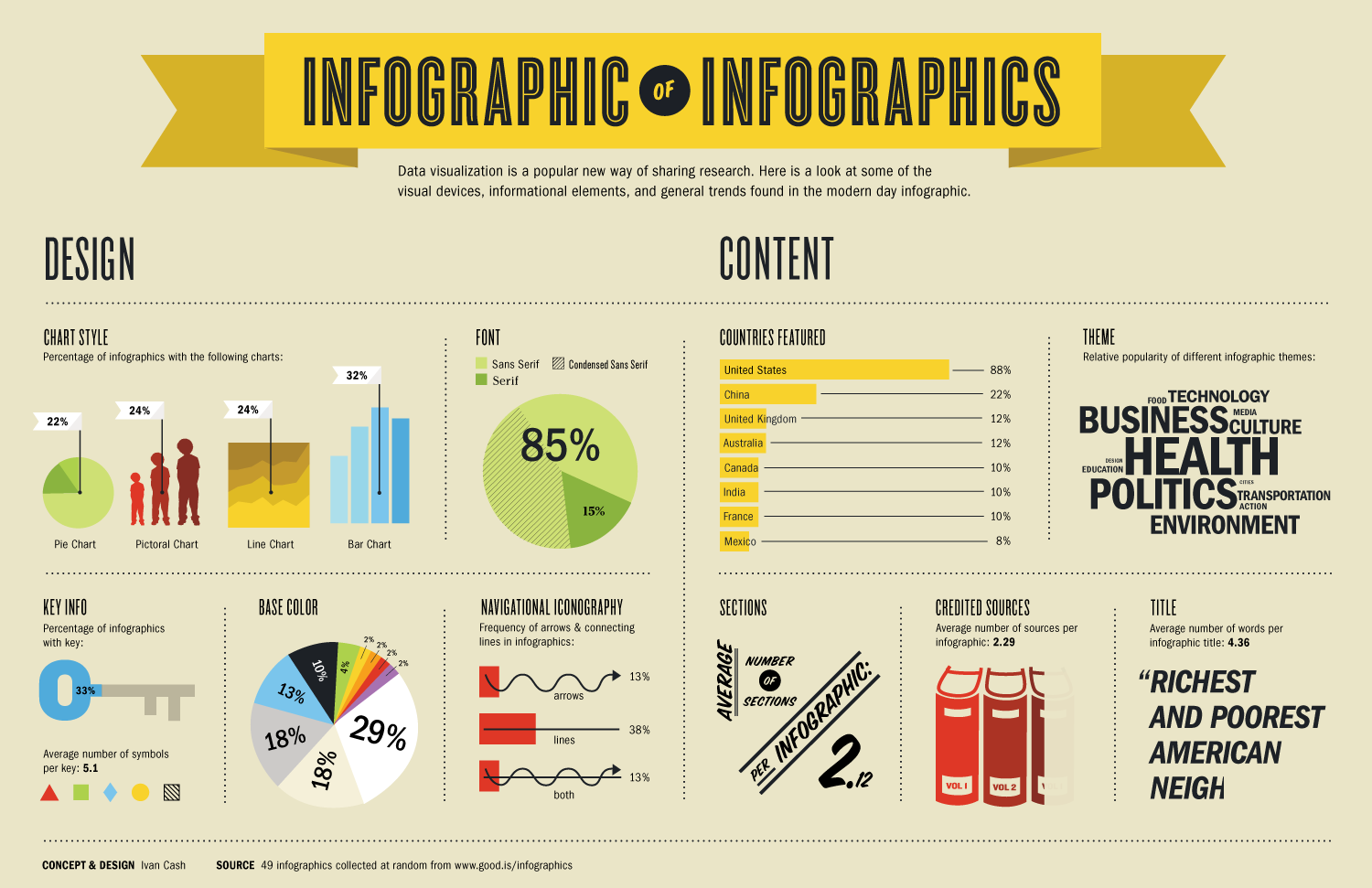
Infographics are a growing sensation in the educational field. As a modern day educator, I am increasingly using Infographics in my own classroom. I believe inforgraphics cater to a wide variety of learning styles. Turner and Hicks (2017) state that Infographics “ require students to do content rich research and to take a position on an issue, “ (p. 80).

Turner and Hicks (2017) discuss the need for students to not only read inforgraphics, but for them to study the arguments that inforgraphics present to the world around them. In my personal classroom, I would love to use Infographics as a method of getting my students to research a topic and then presenting their findings / arguments into an Infographic.

Infographics are becoming increasingly important to the modern era of education. Think about it.. Infographics are practically everywhere you look. Popular sites, such as  Twitter and Instagram rely on visual information and arguments in order to get their points across. I believe that it is important that we, as educators, ensure that our students are knowledgeable on how to utilize this platform. We must ensure that our students remain engaged in their learning, not simply staring at another boring lecture. As Troy Hicks (2013) explains, “the reality that students barely do any research below the surface, then copy and paste big chunks of texts and images into a series of reformatted slides and regenerate them in front of a class of their bored peers should make any educator angry” (p.61). As educators, it is our duty to make sure that our students are constantly engaged and challenged in their studies.

References:

Hicks, T. (2013). Craft Digital Writing: Composing Texts Across Media and Genres. Portsmouth. NH: Heinemann.

Turner, K. & Hicks. T. (2017). Teaching Adolescents to Read and Write Digital Texts: Argument in the Real World. Portsmouth. NH: Heinemann.

Picture Retrieved from: https://infographiclist.files.wordpress.com/2011/09/infographic.png

Video retrieved from: https://m.youtube.com/watch?v=nLxQAa5Sras

Technology Transformations


Technology has become such an important part of society today. In order to ensure that the next generation of learners are successful in our economy, it so crucial that they be exposed to technology and digital literacy early in their schooling career. In their book Argument in the Real World, Kristen Turner and Troy Hicks (2017) discuss the fact that students must be mindful of how they use the vast resources that come via technology.

There are key questions that all educators should reflect upon when introducing technological literacy into the classroom. First, we should consider how our students can use tools such as embedded media, hyperlinks, bullet points, and images in order to get the readers’ attention and support their arguments with evidence (Turner & Hicks, 2017. p. 58).  Next, Turner and Hicks (2017) go on to discuss the fact that all educators must take the time to teach proper citation rules to their students. As a high school English educator, I recognize how truly important this aspect of digital literacy is. Many students do not fully understand the gravity of plagiarizing someone else’s writing. I feel that as a teacher in the modern classroom, it is my duty to show them the importance of honesty and integrity, especially when using an online format.

Lastly, Turner and Hicks leave us with a few suggestions on how to successfully incorporate technology into your classroom. They suggest that teachers could have students read web based stories on the same topic, but from different sources, critique arguments made by bloggers, news reporters, and website authors, and have the students create their own blog about the topics being discussed in class (Turner & Hicks, 2017. p. 59).  I especially want to incorporate having my students create their own blog in my English 11 and English 12 classes. With so many free resources available, it makes it easy to allow students to get creative with their learning. 

References

Turner, K.H., & Hicks, T. (2017). Teaching Adolescents to Read and WriteDigital Texts: Arguments in the Real World. Portsmouth: Heinemann.