During my four years an educator, I have always been nervous about incorporating social media into my classroom. While I utilize various social media outlets in my personal life, I was skeptical about the best way to monitor social media and ensure it’s proper use in the classroom. However, as you all know, our students are CONSTANTLY on social media. I spent so much time trying to police my students on their phones and chrome books until finally I decided if you can’t beat ‘em, why not join ‘em? It began to dawn on me that if I want my students to remain interested in topics such as Beowulf and The Canterbury Tales, I am going to have to evolve my teaching practices to keep these topics relevant. As Troy Hicks (2013) states, “we are living in an era in which mobile devices and increasing access to the Internet provide our students (at least outside school) with countless opportunities to produce and consume content for a wider and wider audience” (p. 154).
With my new outlook on utilizing social media in the classroom, there were several outlets that I toyed with incorporating. However, Instagram is the outlet that I have found to be increasingly helpful and useful in my English 12 classroom.
There are many different ways in which Instagram can be incorporated into the classroom. While I was incredibly nervous to start using this social media platform in my classroom, I honestly believe that it has become one of my favorite tools. Instagram allows my students to post comments under posts that I put up, post their own submissions, keep up with due dates, and it has a messaging function that has been very handy for reminders and such. In the beginning, I was very concerned about students using the service in an inappropriate way or sharing misinformation. Troy Hicks (2017) states, “while sharing misinformation is becoming a societal problem, there are ways to help students become mindful, critical users of social media as well as active producers of accurate information” (p. 104). Troy Hicks also gives educators a very helpful tool to utilize when considering incorporating social media into the classroom – this tool is the MAPS heuristic. MAPS stands for mode, media, audience, purpose, and situation.
Below is a video explaining the usefulness of utilizing instagram in the modern classroom. Enjoy incorporating Instagram into your own classroom. 🙂
References
Hicks, T. (2013). Crafting Digital Writing: Composing Texts Across Media and Genres. Portsmouth. NH: Heinemann.
Turner, K., & Hicks, T. (2017). Teaching Adolescents to Read and Write Digital Texts: Argument in the Real World. Portsmouth, NH: Heinemann.
Video Retrieved from: https://m.youtube.com/watch?v=34bbFJRohLw

 Taking on Technology with Mrs. Harrison
Hicks (2013) states that students keep in close touch with social media these days, and they constantly use digital tools on a daily basis. Hicks believes that “social media is the telephone for this generation of teens (and, increasingly, adults)” (p. 140). It means that teenagers spend more
time posting on social media than talking on the phone with their friends. Therefore, it is the
teacher’s responsibility to teach students how to communicate properly when they employ
these digital tools. Oftentimes, students are communicating on Twitter like they would be a “telephone” of the past.
LikeLike
I too have always been hesitant to bring social media into the classroom. I see so many examples of social media post causing harm to others that I tend to forget the positives of social media. You have given several great examples of how to include Instagram in the classroom. I think it is great that you model how social media can be included in a positive way in the classroom. Hicks (2013) states that we need to “keep thinking, taking risks, learning from our mistakes, and working each day to model and mentor them in the craft of digital writing” (p. 177).
LikeLike
Mary,
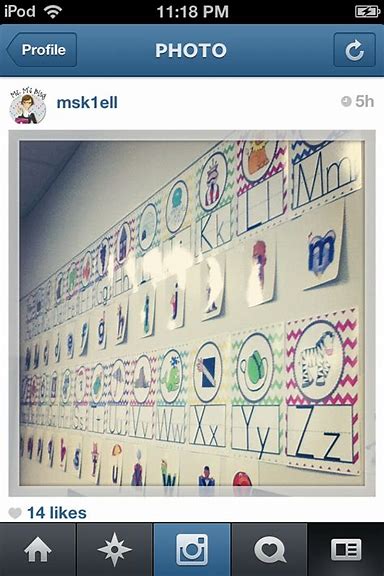
As a first grade teacher, I do not have students who actually participate in social media. However, I am surprised every day with how much they KNOW about social media. One of which being Instagram. My students love the idea of taking pictures and sharing them with others. I have actually started an Instagram wall in my room that acts like an Instagram profile. When reading through the text, I realized how even a mock social media profile is beneficial for my students. Hicks (2013) points out important aspects of creating texts to show on social media, all of which are being done in our Instagram wall, “sharing their work and inviting feedback from their classmates” (pg. 146). I’m jealous that you get to see the “real thing” in action!
LikeLike
This hit the nail on the head. I have always been hesitant to allow students to use social media. Taking these classes has definitely taught me ways to safely incorporate it in class. Tweets, updates, and posts constantly move across the screen, making a user’s interaction nearly synchronous” (Turner & Hicks, 2017, p.108). I reference this particular statement because as quickly as posts happen on social media, it is very important to be purposeful with social media assignments and to monitor what students are reading and posting.
LikeLike