Infographics are a growing sensation in the educational field. As a modern day educator, I am increasingly using Infographics in my own classroom. I believe inforgraphics cater to a wide variety of learning styles. Turner and Hicks (2017) state that Infographics “ require students to do content rich research and to take a position on an issue, “ (p. 80).
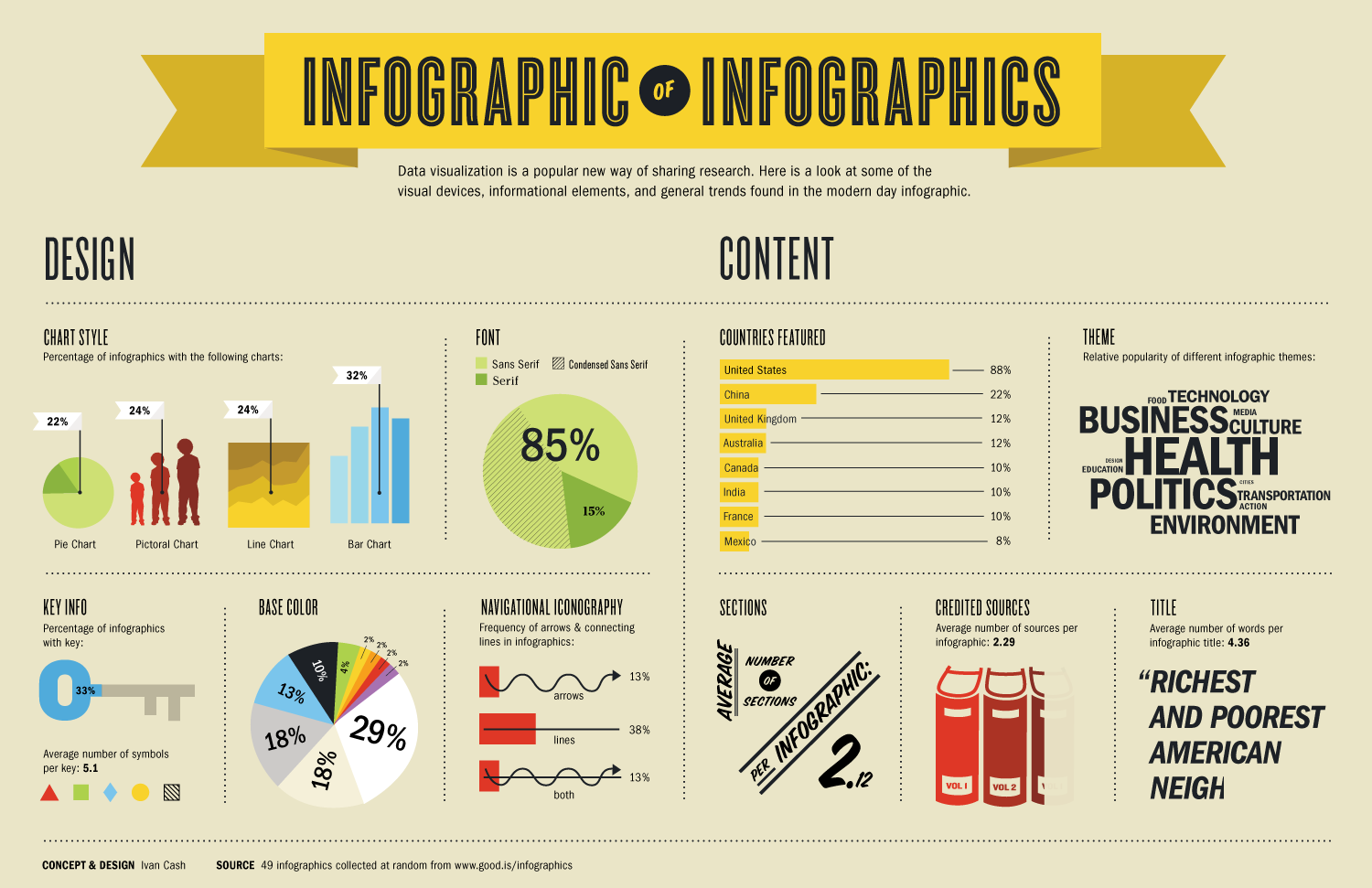
Turner and Hicks (2017) discuss the need for students to not only read inforgraphics, but for them to study the arguments that inforgraphics present to the world around them. In my personal classroom, I would love to use Infographics as a method of getting my students to research a topic and then presenting their findings / arguments into an Infographic.
Infographics are becoming increasingly important to the modern era of education. Think about it.. Infographics are practically everywhere you look. Popular sites, such as Twitter and Instagram rely on visual information and arguments in order to get their points across. I believe that it is important that we, as educators, ensure that our students are knowledgeable on how to utilize this platform. We must ensure that our students remain engaged in their learning, not simply staring at another boring lecture. As Troy Hicks (2013) explains, “the reality that students barely do any research below the surface, then copy and paste big chunks of texts and images into a series of reformatted slides and regenerate them in front of a class of their bored peers should make any educator angry” (p.61). As educators, it is our duty to make sure that our students are constantly engaged and challenged in their studies.
References:
Hicks, T. (2013). Craft Digital Writing: Composing Texts Across Media and Genres. Portsmouth. NH: Heinemann.
Turner, K. & Hicks. T. (2017). Teaching Adolescents to Read and Write Digital Texts: Argument in the Real World. Portsmouth. NH: Heinemann.
Picture Retrieved from: https://infographiclist.files.wordpress.com/2011/09/infographic.png
Video retrieved from: https://m.youtube.com/watch?v=nLxQAa5Sras

 Taking on Technology with Mrs. Harrison
I enjoyed reading your post. You are completely right in stating that infographics are everywhere. In order to truly prepare our students for the future, educators need to teach students to write using a variety of platforms including infographics. Infographics would be a great tool for students to use to present and organize information. Infographics are a great tool for supporting an argument. Turner and Hicks state that “we do not want students simply to read and write infographics; rather, we want them to read and write the arguments that infographics present to the world” (2017, p. 80). Infographics can be used in any classroom, and as educators it is important for us to teach students how to create digital arguments using infographics.
LikeLike
What a great video that details the important aspect of infographics. I feel as if these principles are followed, the infographic created will be effective, however, if just one aspect is missing the infographic is at risk for being ineffective to its audience. As students are taught and prepared to use infographics to strengthen their argument, it will be important to model effective infographics, as well as give them exposure to ineffective infographics.
LikeLike
I love how you point out that infographs need to be created a certain way to be successful. and accurate. “Readers must be savvy enough to know to check additional sources to determine accuracy” (Turner & Hicks,2017, p. 65). Students need to be taught that not everything they read on the internet is true, even if it looks like it is. (Examples:Infographs)
LikeLike